ARTICLE
Bayu Utomo Radjkin - An Artist’s Tale
Our brains have a remarkable ability to adapt to the circumstances presented to them.
Read below ->
Bayu Utomo Radikin is a renowned Malaysian artist from Tamau, Sabah, who specializes in fine art, contemporary art, pop art, and sculpture. His art frequently explores human emotion and rawness through themes such as public and personal identity, social commentary, and global political tensions. One of the key differences between Bayu and other artists is his use of traditional sculptures that resemble warriors or fine art paintings that portray a similar level of intensity to their contemporary counterparts. One such art piece is Lang Kacang, an unusual combatant-like figure from the Singapore Art Museum that appears to be mid-stance, but with the absence of clear facial features, much is left to imagination.
Bayu graduated from university in 1991 with a Degree in Fine Art from MARA, a reputable technological institution in Malaysia. He quickly gained recognition for his unique skillset, winning contests such as the Young Contemporaries Competition in the same year as his graduation. Only a few years later, he was bestowed with an ‘Honourable Mention’ at the Phillip Morris Art Awards for two consecutive years. Despite his humble beginnings in Malaysia, his talent soon helped him expand his exhibitions to a worldwide audience, and his exhibits soon began to pop up in countries like India, Austria, Indonesia, and the United States.
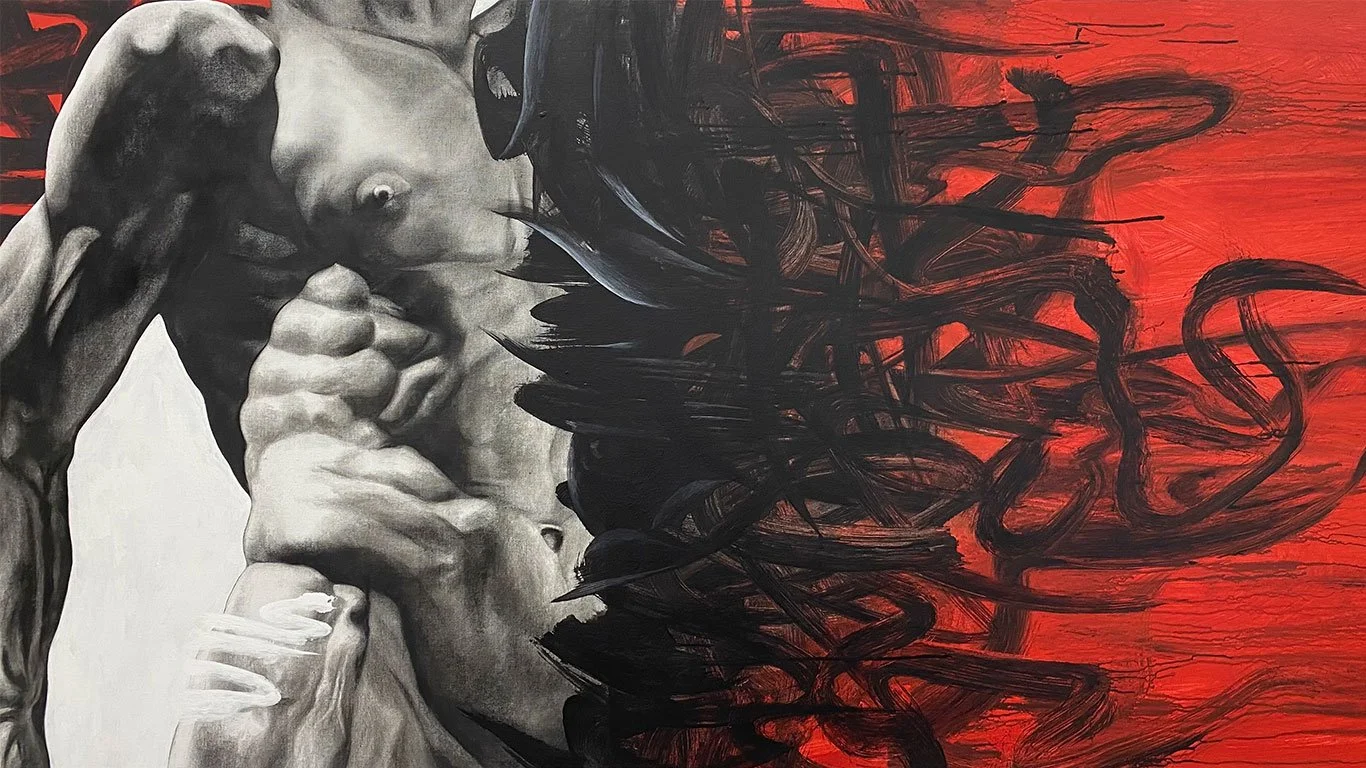
Bayu plays a pivotal role in the Malaysian art scene in two significant ways: (I) through his fine art and (II) through his status as a founding member of the MATAHATI art collective, an organization that promotes and actively supports other emerging artists. Bayu’s drawings and paintings are full of gritty emotion, captivating his audiences with the distinctive ways in which he views the world and depicts his life experiences, such as his 2002 charcoal-on-paper art piece titled ‘Skin & Bone I,’ which illustrates the skull of a bull-like animal with a fierce expression, stripped down to a monochrome color palette for maximum impact.
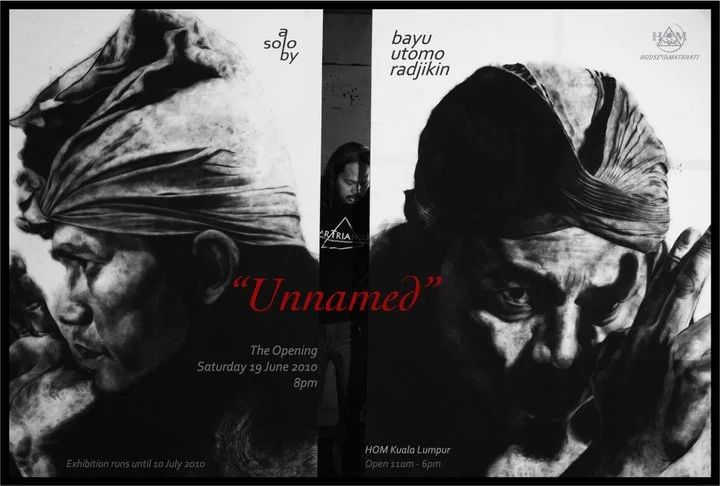
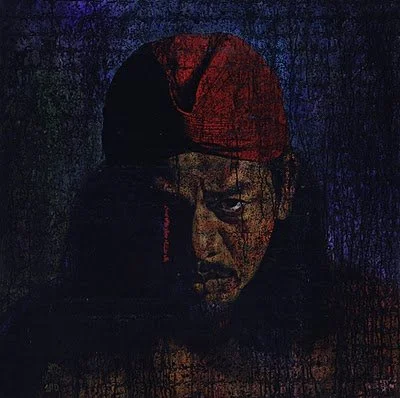
Additionally, one of his series, namely, ‘The Unnamed Series’ (exhibited in 2010 at House of Matahati, Ampang), serves almost as a personal, reflective journey that showcases himself and a close acquaintance of his in an almost traditional warrior-like style with a specific focus on male identity, following the same desaturated color palette as Skin & Bone I. The series carefully examines the physical and psychological aspects of Bayu's existence and is a masterpiece of figurative composition, helping Malaysians reflect on their heroism, individuality, and the myths that bind them to their lives. The direct consequences of the series on Malaysia’s art scene included a stronger sense of connection to one’s cultural heritage and a sense of nationalistic pride.
In conclusion, Bayu Utomo Radikin has played an incredibly important role in the Malaysian art scene through his various media and international presence. His ability to merge visual aesthetics with symbolic messages has made his art a medium for addressing social suffering, personal identity, and cultural values. As a judge for Vision Petron, a national art competition for students, he hopes to inspire and support young artists as they take their next steps into the art world, envisioning that one day they, too, will become changemakers on a global scale.
Bayu’s small-town beginnings helped influence his art, which is evident in some of his paintings, such as ‘OK! I’m a Rooster’ (acrylic on canvas). This helped him shine a spotlight on the authentic kampung side of Malaysia that international audiences may not even have been aware of, thus placing Malaysian traditional art on the cultural map.

Another famous exhibition by Bayu was ‘Mind the Gap’ (exhibited at Wei-Ling Gallery, Kuala Lumpur) in 2006. The exhibition featured 25 works, split into 15 from his residency in London and the rest from his return to Malaysia. The paintings explored identity as Bayu navigated the complex cultural landscape of Europe and the striking disparities he observed there. This exhibition, therefore, played a pivotal role in the Malaysian art scene by blending cross-cultural experiences together with Malaysian influences, providing a rare glimpse of a different society through a local lens.
Finally, in his later period, such as 2021, Bayu’s influence on the Malaysian art scene was evident through his representation of florals and botanicals, highlighting the natural beauty of Malaysia in his series, Kelopok Rasa. This series represented a pivotal shift from figurative, traditionalistic art to a more naturalistic style that sought to show his global audiences that Malaysia was a ‘green gem,’ too. This acrylic-on-canvas series uses two dramatic palettes to highlight the intricacies of Malaysia’s flora and the strong spirit of survival and resilience in nature. It is an outcry to keep on living, to keep blooming no matter what adversities come our way, represented by fluid, organic brushstrokes that brim with energy.